


Our guide to best practice in solar maintenance, from data monitoring and preventive works to coping with nesting seabirds
In a context of uncertain energy prices and ESG pressures, many businesses are opting for solar to increase energy price security, achieve cost savings and capitalise on the evident sustainability benefits. However, within the promise of clean power lies the often-overlooked necessity of upkeep. Proper maintenance ensures that solar panels can continue to run at peak efficiently and help justify the often large investment required for solar panel installation.
In this article, we take a look at the key types of maintenance, what this actually entails and what you can expect to spend on ensuring your solar system is working to its full potential.
What maintenance options are offered for solar panels?
- Reactive maintenance entails correcting problems with solar panels after they occur. This may include repairing damaged equipment, replacing faulty components, or correcting performance issues as they arise. Reactive maintenance is required to address unexpected problems and may occasionally result in downtime and increased repair costs.
- Preventive maintenance focuses on proactively maintaining solar panels to avoid problems from arising in the first place. This may include routine cleaning, inspection, and testing of components to ensure they are operating properly. Preventive maintenance can help reduce downtime and increase the lifespan of solar panels by identifying potential problems at an early stage.
- Predictive maintenance uses data and analytics to forecast when maintenance is required before an issue arises. This method focuses on monitoring several metrics such as energy output, temperature, and performance patterns to detect potential problems. Operators can use predictive maintenance approaches to schedule maintenance activities more efficiently, lowering costs and downtime.
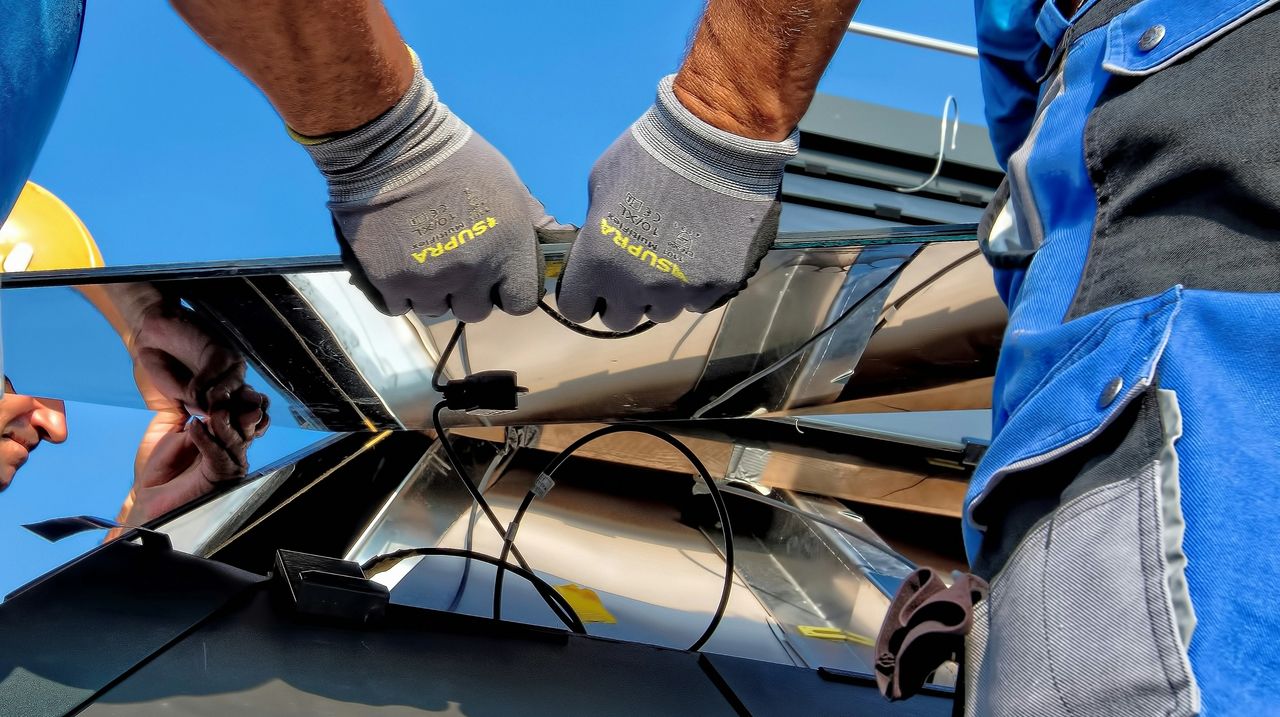
Combining these three forms of maintenance is critical to ensuring solar is working to its full capacity. It entails employing routine inspection, sensors and data to monitor the system’s performance and condition, allowing you to track how much energy is being produced, identify any unusual behaviour, and determine where intervention is necessary.
What kind of activities are involved in solar maintenance?
Keeping on top of preventive and predictive maintenance entails a variety of activities, typically carried out by specialist solar maintenance and monitoring companies:
Regular cleaning is crucial to ensure optimal performance by removing dust, debris, bird droppings, and other obstructions that can hinder sunlight absorption.
Periodic inspection of key components within a solar panel system is also important. This includes the surfaces of solar modules, the mounting structures, inverters, as well as the wiring and connection points of the system.
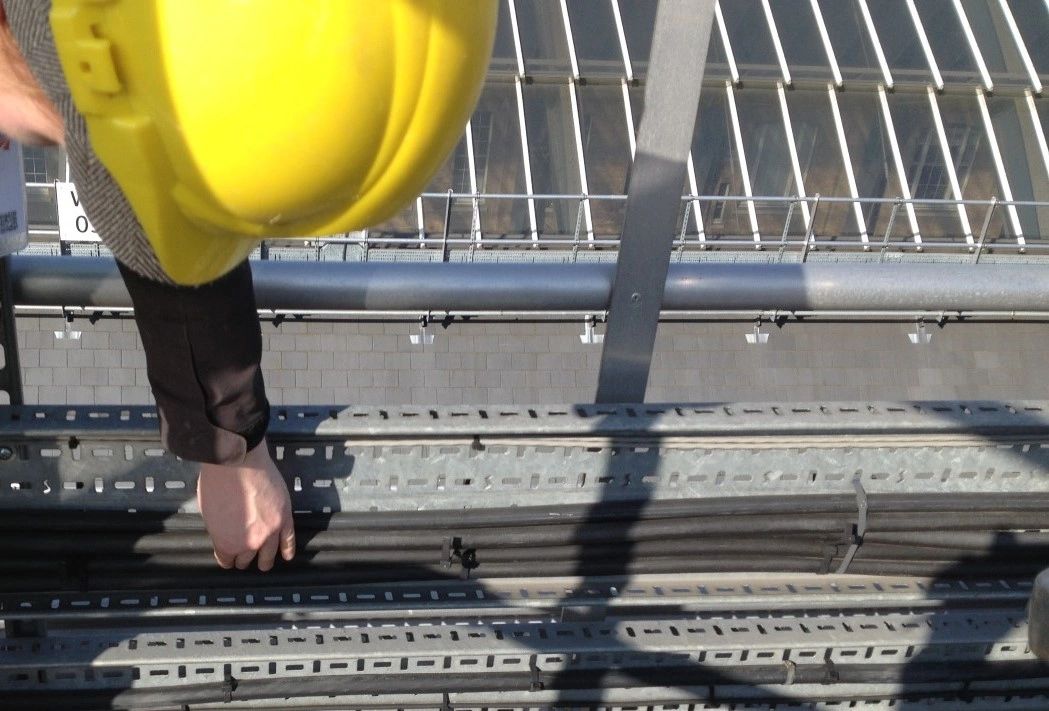
Installing monitoring systems aids in tracking panel performance and detecting any abnormalities or inefficiencies. Professional servicing by certified solar maintenance providers can then be employed to address complex issues or perform specialised repairs.
There are various types of monitoring systems to track performance and detect issues effectively, each focused on different aspects of the system:
- String-level monitoring systems monitor each string of solar panels individually, allowing for precise identification of issues like shading or malfunctioning panels.
- Panel-level monitoring systems offer detailed insights into the performance of individual panels, facilitating targeted maintenance efforts.
- Power meter monitoring systems track overall energy production, providing data on total energy output for system assessment.
- Remote monitoring systems enable real-time access to system data from anywhere, enhancing reliability and enabling remote troubleshooting. These can also store historical performance data for trend analysis and maintenance planning.
- Weather monitoring systems track environmental conditions to correlate variations in performance with external factors.
How often do solar panels need to be maintained?
To ensure peak performance, it’s generally recommended to clean your solar panels at least once or twice a year, with inspections occurring ideally once a quarter. However, some circumstances may necessitate more frequent maintenance.
For example, if you live in an area with a large bird population, you may need to clean your system on a more regular basis to remove bird droppings and debris. Netting and wire mesh are also widely used for protecting solar panels from bird invasion. They provide a barrier to prevent birds from nesting beneath the panels, reducing the risk of damage and further cleaning issues as a result. Coastal environments, meanwhile, where salt and sand can accumulate on panels, may demand more frequent cleaning to prevent damage and maintain efficiency.
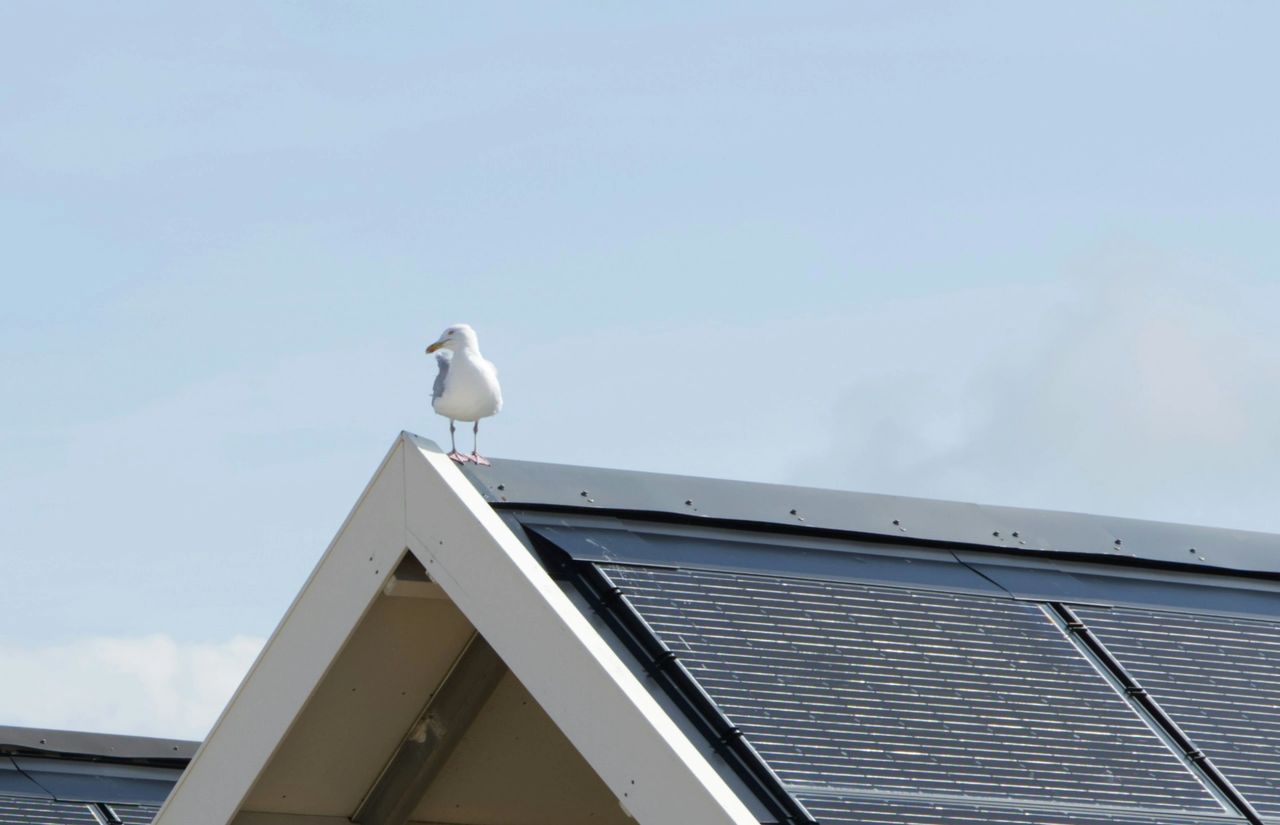
To ensure your solar panels perform optimally for the long term, a proactive approach tailored to your situation is recommended. Adjusting maintenance based on factors like environment and panel age can both enhance efficiency and reduce eventual downtime.
Costs Associated with Operations and Maintenance (O&M)
Commercial O&M costs can vary depending on factors such as the size of the solar installation, location, equipment used, and service level agreements (SLAs) offered by the provider. Typically, O&M costs can range from £12 to £20 per kWp installed annually. It’s important to consider the reputation, expertise, and track record of the O&M provider when evaluating costs.
Several types of companies offer O&M services for commercial solar installations:
Installers: Many solar installation companies also offer O&M services. They have the advantage of being familiar with the specific systems they’ve installed and may offer competitive rates.
Specialists: Some companies specialise solely in O&M services for solar installations. These specialists often have extensive experience and expertise in maintaining solar systems, offering tailored solutions to ensure optimal performance.
PPA Providers: Power Purchase Agreement (PPA) providers not only supply solar energy but also typically include O&M services as part of the agreement. This can be advantageous for businesses as it simplifies the process, bundling energy supply and maintenance costs into a single contract.
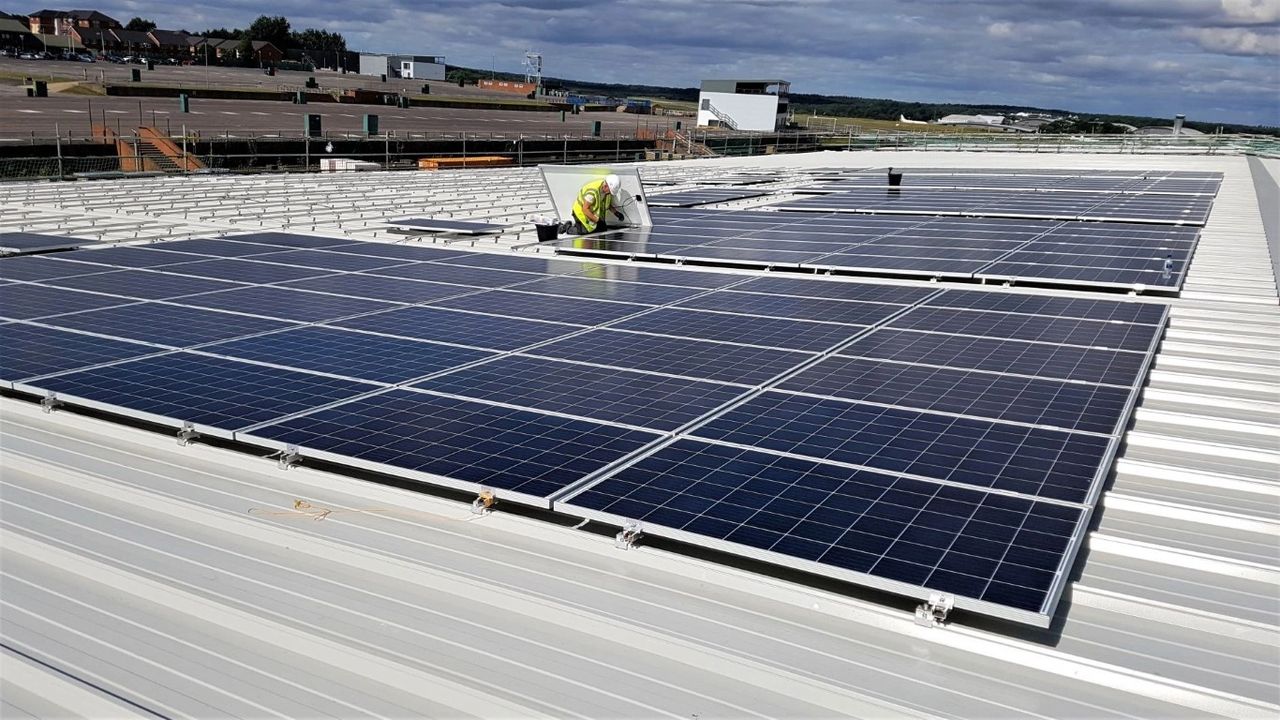
What are the Benefits of Using a PPA Provider for O&M?
Using a PPA provider for O&M has several advantages, including a single point of contact. PPA providers streamline the process by taking on the responsibility for arranging and covering O&M costs, relieving the burden on the business owner, who only needs to engage with one entity for both energy supply and maintenance.
PPA providers should have expertise in negotiating SLAs with O&M providers to assure high-quality service and optimal system operation, and they use their experience to negotiate favourable terms for clients. Moreover, as owners of the system, their interests are aligned with yours in maximising efficiency and solar output through effective maintenance.
Why choose Two Blues Solar as PPA Provider?
At Two Blues, we aim to provide a comprehensive solution for organisations looking to transition to solar energy, including full funding and management of operations and maintenance. Our commitment extends beyond installation; we ensure consistent and reliable performance by maintaining installations to a high level of efficiency and reporting system performance back to the client in a clear and reportable fashion. We have experience in negotiating O&M contracts which suit specific site and client requirements, and utilise a detailed monitoring platform which highlights issues as they arise.
Our approach allows organisations to streamline solar administration and maintenance by consolidating them under a single, trusted provider. For more information, get in touch at info@twobluessolar.com.