


Two Blues’ top 5 considerations when commencing the solar procurement process
We speak to businesses every day at different stages of the solar procurement process. Most are understandably new to solar. Without asking the right questions, it’s easy to fall into common traps and miss out on the best solution for your business.
This new series by Two Blues is here to help you navigate the solar procurement process. Here’s where to start.
1. What size system does the business need?
A year’s worth of half-hourly electricity data is required to size a system properly. If you don’t have this, ask your supplier or broker. Otherwise, gather a year of energy bills — ideally based on actual readings — or start taking meter readings now.
It is also worth asking yourself what’s driving your interest in solar. Are you focused on cost savings, carbon reductions, or both? If energy savings are the priority, you’ll want a system that closely matches your onsite usage — ideally consuming 75%+ of the solar you generate. If Net Zero is key, you might look to maximise system size, consider battery storage and explore export opportunities with your energy broker.
Knowing your likely system size helps you compare like-for-like quotes. Here’s a rough guide based on your annual consumption:
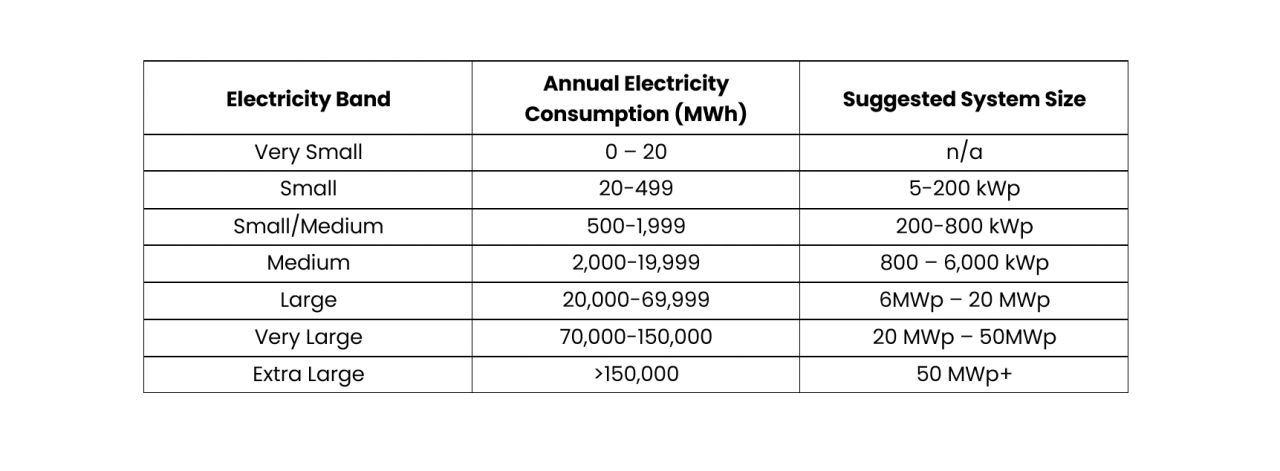
Need help sizing your system? A solar consultant or friendly PPA provider (like Two Blues) can model it for you.
2. Is there available budget?
Smaller installations can start around £10k, while medium to large systems may run into the millions. If self-funding isn’t viable, options like Power Purchase Agreements (PPAs) or asset finance may suit you better.
If you think this may be a route you’d like to go down, it’s important to ask the right questions during your procurement process. We’ll cover these in the next article.
3. What site data can you provide?
Beyond energy usage, installers will benefit from:
- As-built drawings and electrical schematics (if available)
- Information regarding roof access or mansafe systems
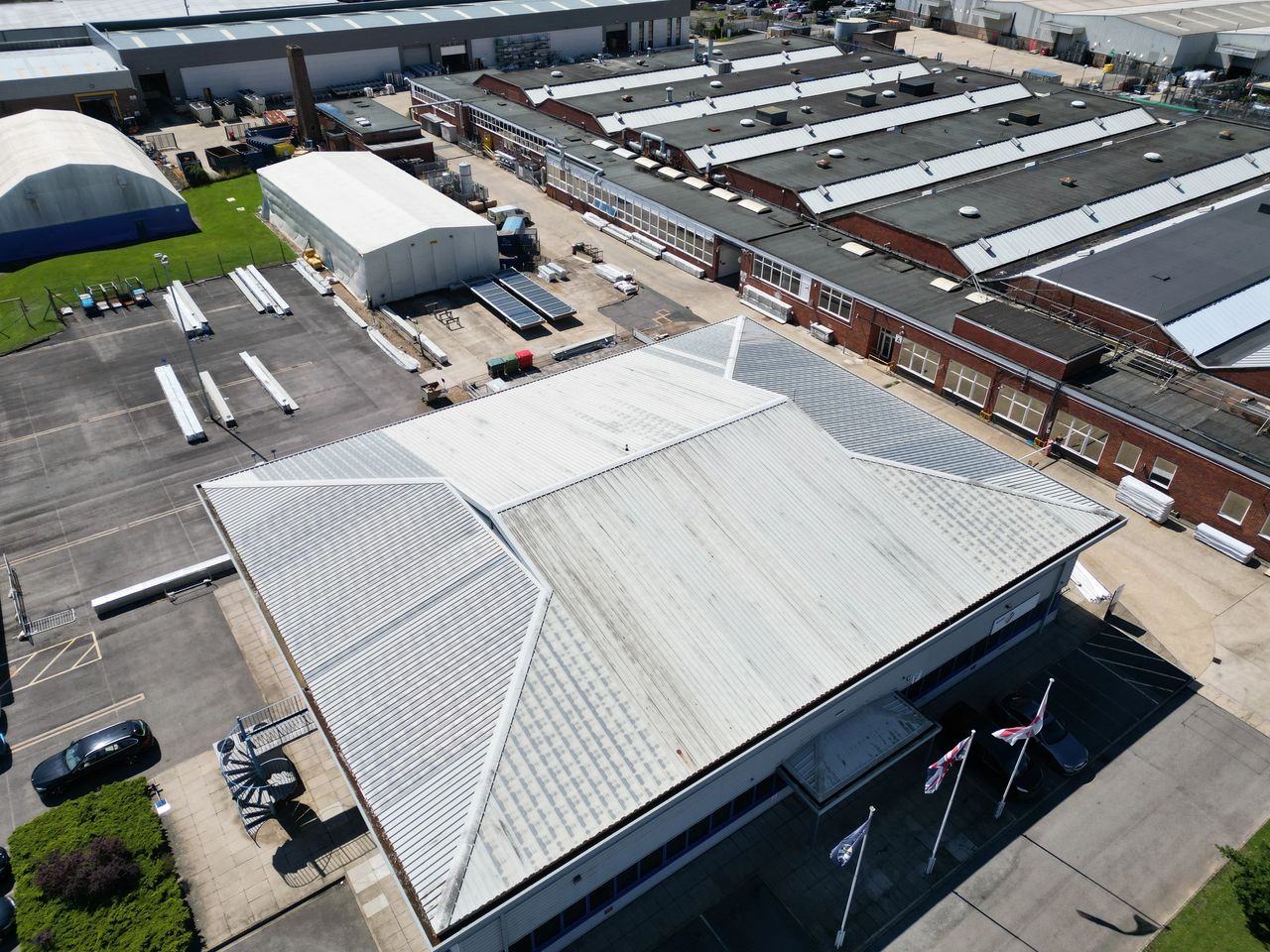
- Information regarding roof condition
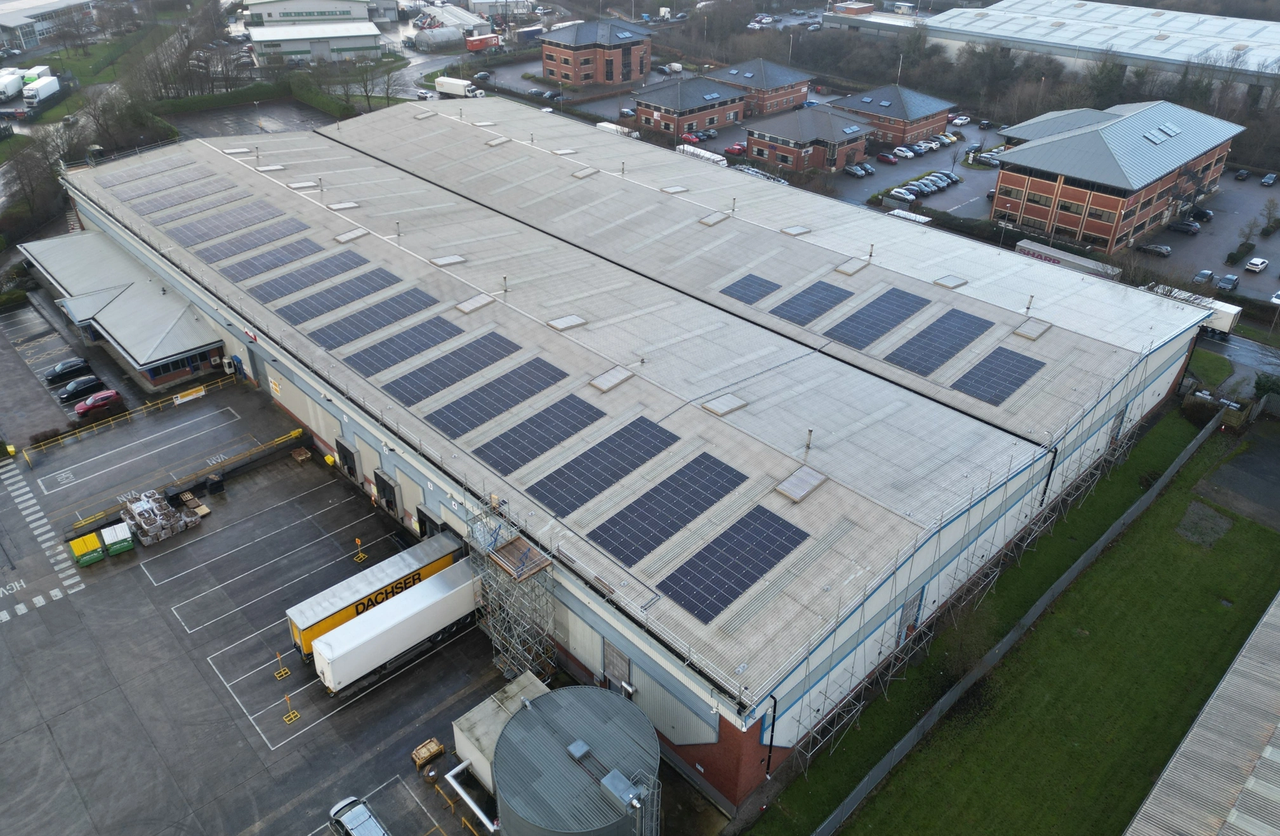
- If there’s asbestos, oversheeting will be required.
- Old roofs? Re-roofing at the same time as installation could save on scaffolding costs.
- Consider roof type (flat, pitched, trapezoidal) and whether rooflights can be covered
- Land or car park availability (for larger systems)
- Multiple sites? Consider bundling them — it could improve pricing and funding options.
4. Who else do you need to talk to?
If you lease, you’ll need landlord permission. Start the conversation early — they may have requirements you’ll want to include in your spec.
Your insurer will also be interested and some have more stringent requirements than others. It’s worth checking with them early, as this may influence design
5. How will it affect your energy bill?
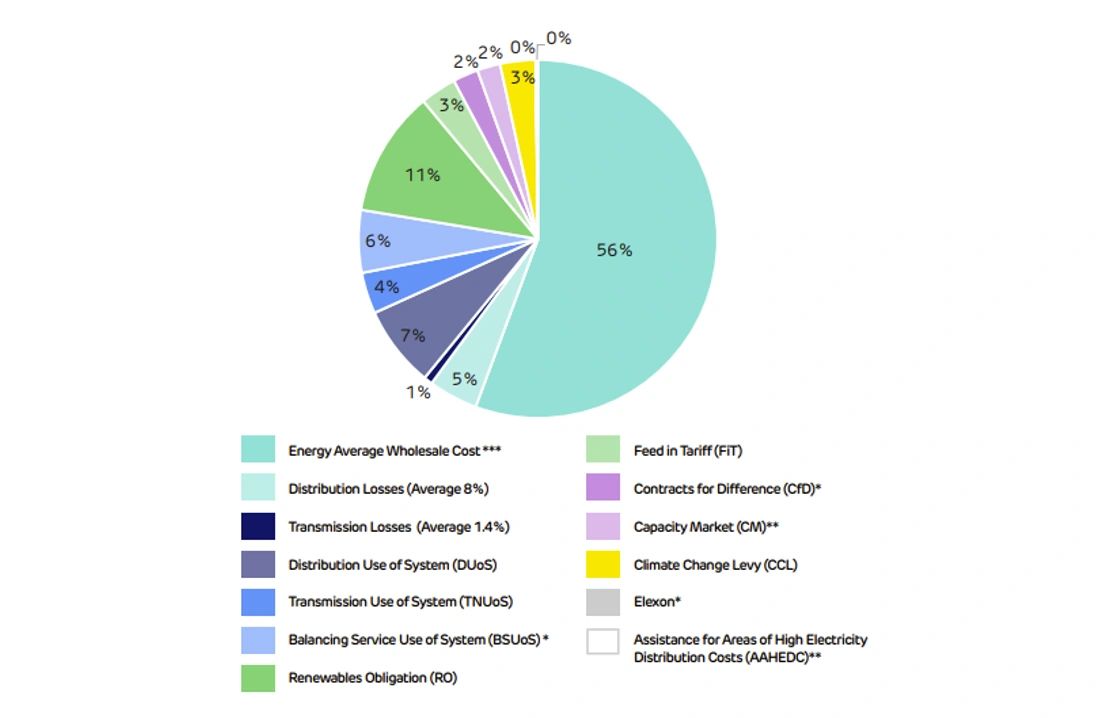
Understanding your variable rate and reassessing your procurement strategy may help you unlock maximum savings from solar. We’ll explore this in more detail in our upcoming webinar.
What’s Next?
This is the first in our Solar Procurement Series. Coming up:
- Funded vs. self-funded systems
- Writing a clear brief
- Installation & aftercare
- Energy strategy post-installation