


Our guide to selecting the right solar installation partner for your business
So you’ve chosen to make the progressive step of installing solar on the roof of your business. You’re looking to benefit from the reduced energy costs and improved environmental credentials… but where do you start?
How do you know whether your roof is capable of withstanding the load of a number of solar panels? And even if it can, what sized system would actually suit your current and future energy requirements?
In short you need a professional; as solar panel lifespans are increasing to 25 years and beyond, this will likely be a long-term relationship that you need to get right.
As you’re probably already aware, there are a huge number of commercial solar installers of varying quality. You’ll be reliant on their expertise and skill and it’s therefore a decision that requires good due diligence. We have therefore put together a handy checklist that you can run through to assist you in choosing your ideal solar installation partner.
1. Experience and Track Record
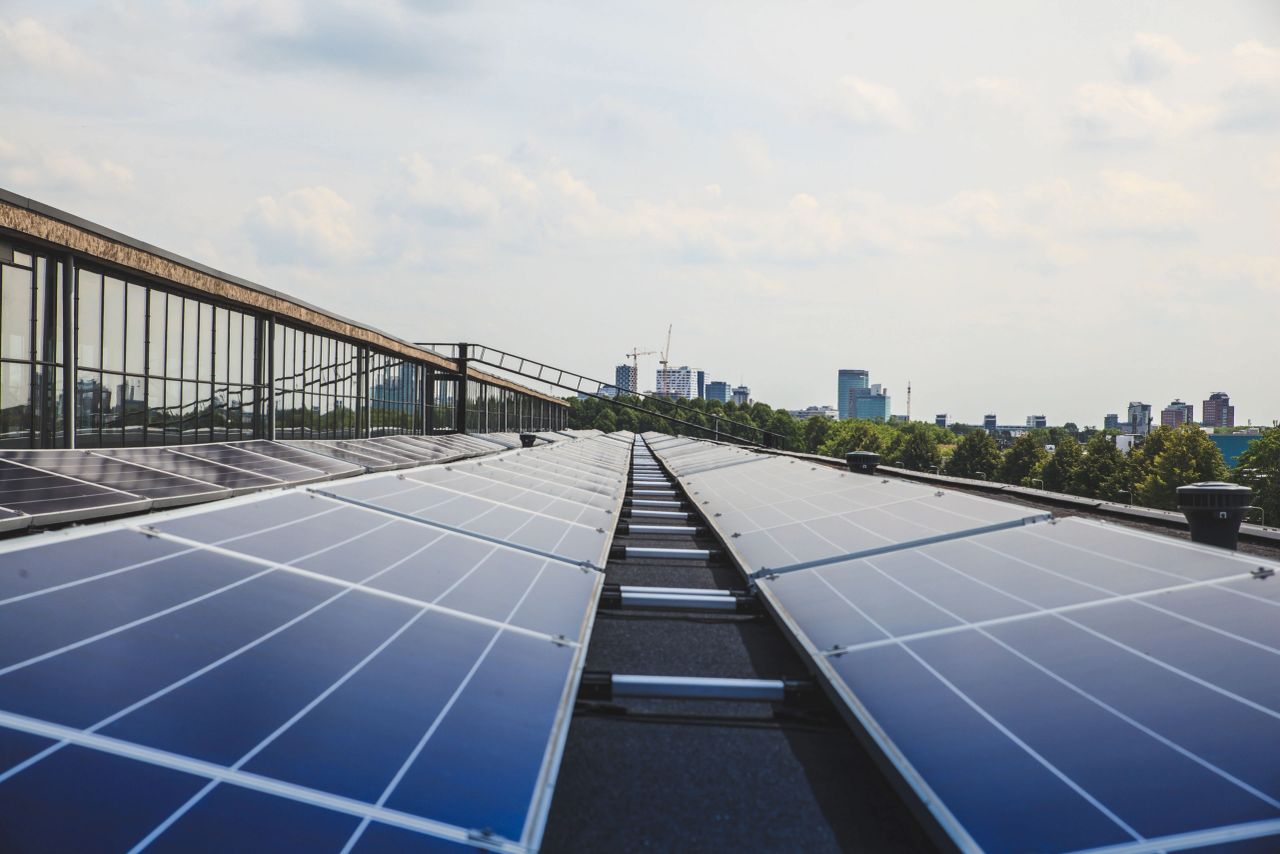
Solar installation encounters different challenges based upon size and even location of system. It’s best therefore to look for a company with a proven track record in installing commercial and industrial solar rooftop systems that are a similar size and in a similar geographical location to where you are. Check through their portfolio and ask for examples of comparable systems.
2. References and Recommendations
Ask the installer for references of past commercial and industrial clients. Speak with these references to gain insights into their experiences with the company from before, during and after the installation. Ask whether you can go and visit the site to see the neatness of installation and the quality of the work. Ask how they have behaved when things have gone wrong: have they been honest and owned up to mistakes? Have they looked to rectify errors as soon as possible? These are all key question when choosing a long-term partner.
3. Expertise and Certification
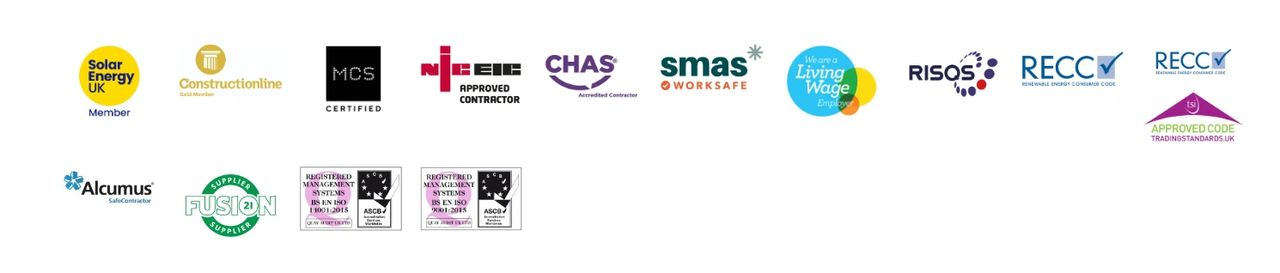
Of course you want the installer’s team to be well-trained and appropriately certified in electrical and solar installations, but this can be hard to determine. There are, however, a few industry credentials that can assist you in establishing whether they are investing in their training and installation quality standards. These include (but are not limited to):
- Solar Energy UK membership – the solar industry’s trade body
- NICEIC – the governing body for the commercial electrician’s industry
- CHAS – a health and safety assessor for the construction industry
4. Licensing and Insurance
It is essential that the solar installer you choose has all the necessary licenses and permits required by local authorities to perform the installation. Confirm before you start the process that the installer’s prices include getting these permissions. This will include permission from the DNO (typically via the G99 approval process) and local planning authority (typically via Permitted Development) to install. Additionally, check their liability insurance covers:
- any potential damages incurred to your building during the installation process
- a sufficient proportion of the financial impact of any error that causes business disruption
5. Quality of Equipment
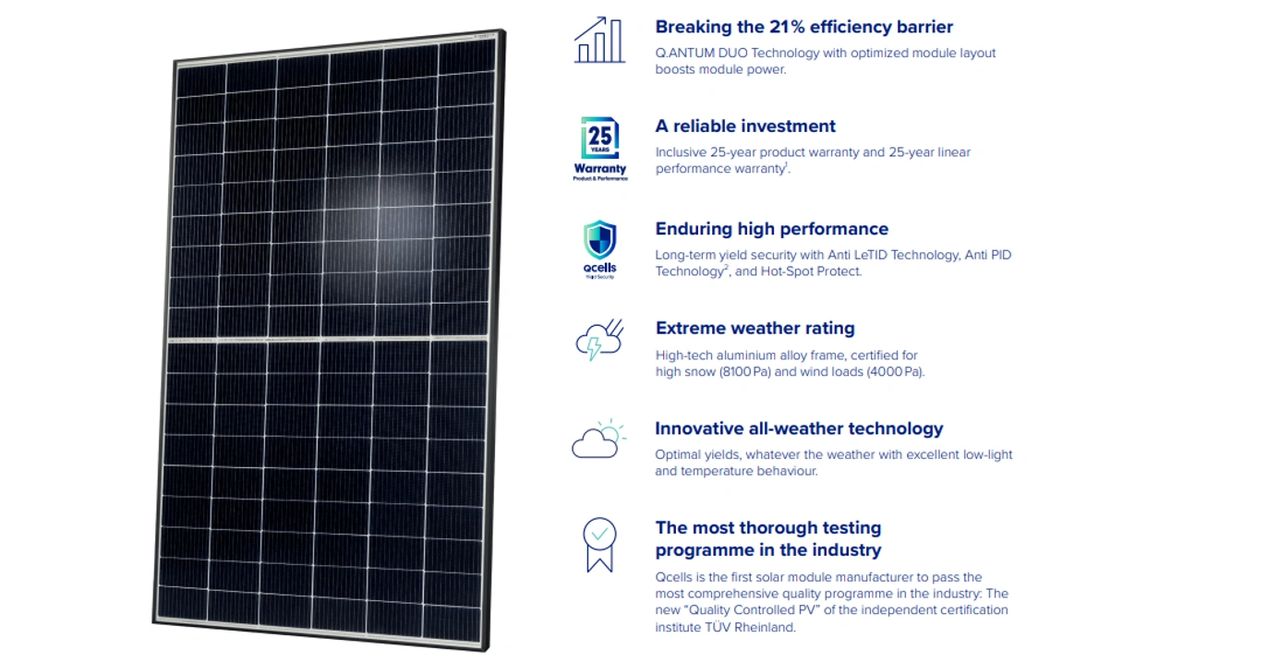
Part of determining whether the price you are being offered represents good value, is determining the brands and specification of solar panels, inverters, and other components your installer is proposing to you. The panels should be from a Bloomberg Tier 1 manufacturer. There is a small pool of inverter manufacturers so you should independently verify online that they are a reputable and reliable manufacturer with a proven track record. In addition, understanding the manufacturer’s included warrantees will also be essential to comparing the offerings you are being provided.
6. Customised Solutions
All good installers will assess your specific energy needs and design a customised solar system to meet those requirements. As a starting point, avoid companies that provide a one-size-fits-all approach and avoid those who do not ask detailed questions about your energy consumption, electrical system setup and future aspirations. A good system should consider how you currently use energy and how that usage may differ in the future based on your company’s growth intentions.
7. Warranty and Support
In addition to the warranty provided by the manufacturer for the equipment, equally important is the warranty provided by the installer for the installation work. They should typically warrant the installation for at least a year with a guarantee on the minimum expected electrical output. This will ensure that the system is acting as they originally promised and delivering you the energy cost savings they originally forecast.
All of the above should be extendable on the basis of taking an ongoing operations support and maintenance (O&M) contract.
This should include:
- real-time automated system monitoring
- regular reporting
- reactive maintenance if performance levels drop (with an appropriate response time usually detailed in the O&M SLA)
- scheduled maintenance to check the electrical components remain appropriately assembled/seated and inverter vents remain clear
- panel cleaning as required (this will likely be location and panel tilt specific)
8. Financial Stability
Consider the financial stability of the solar installer by checking their credit score on an independent corporate credit checking company (such as Dun & Bradstreet or Experian). A financially secure company is more likely to complete the project on time, honour their warranties and be around to continue providing O&M support in the long run.
9. Competitive Pricing
It goes without saying that you should obtain quotes from multiple installers and compare the pricing and the services they offer. Be cautious of significantly lower-priced offers, as they may compromise on quality. Ask for a breakdown of equipment vs installation, compare the equipment between offers as described in ‘4’ above and ask questions regarding the health and safety provisions that their installation quotes includes.
You should expect some form of fall restraint (temporary or permanent), safe lifting equipment as well as sufficient consideration for the amount of human resource needed to complete the works on time and safely.
You should also understand the payment terms and ensure there is an element of the cost retain (‘retention’) in case of any immediate post construction issues.
10. Project Timeline
Request a detailed timeline for the project, including estimated start and completion dates. A reliable installer should be able to provide a realistic schedule that includes expectations of delivery timelines from suppliers. Reliable installers will likely have preferential arrangements with a number of the key component manufacturers so should be able to source equipment quickly and effectively.
11. Environmental Credentials
Some businesses prioritise sustainability and may prefer to work with an installer that shares similar environmental values. If so, look for installers who are committed to green practices and sustainable solutions and are potentially 3rd party certified by MSC.
12. Financing Options
Inquire about financing options and whether the installer can help you access any available incentives, rebates, or financing programmes that can make the installation more affordable or potentially capex-free. Of course, Two Blues Solar can help with this and, even if the installer does provide an option, we would be happy to provide an additional quote so that you have an alternative choice.
We hope this guide has been useful, but if you don’t feel confident making this assessment on your own, Two Blues Solar offers a consultation service where we handle the appraisal, permissions, installer selection, construction oversight and operations and management processes needed to successfully deliver a project. This can be particularly useful for rolling out solar across a wide portfolio.
Additionally, if there is anything Two Blues can do to help you in the success of your project or with its financing, please get in touch with us here.
To receive more insights from Two Blues and stay on the pulse of all things solar, sign up for our newsletter here!